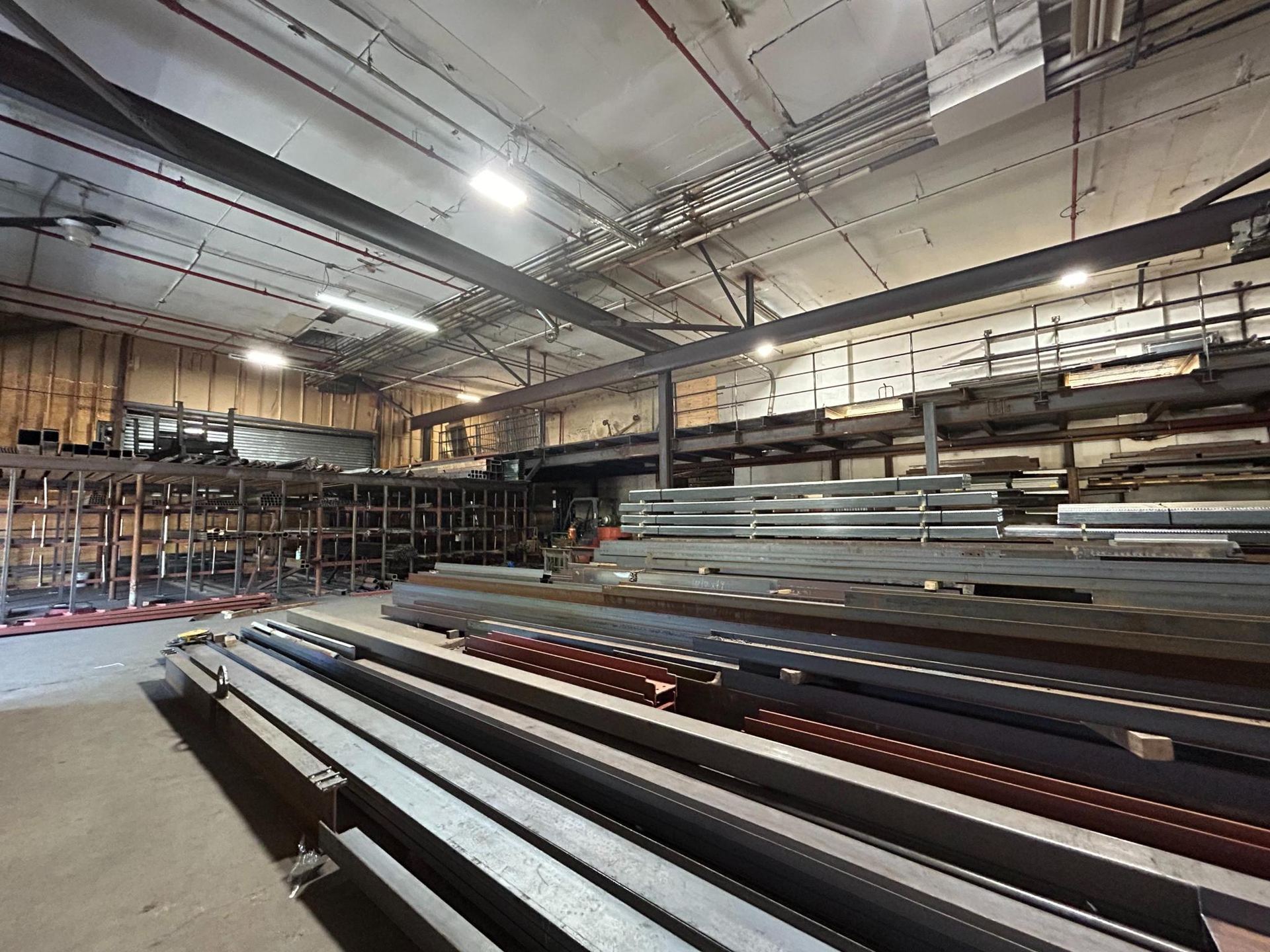
As 2024 unfolds, the sheet metal fabrication industry on Long Island is poised for significant transformation, driven by technological advancements, environmental concerns, and evolving industry needs. Long Island’s diverse manufacturing sector, known for its robust aerospace, construction, and commercial sectors, will see several key trends shape the future of sheet metal fabrication. Let’s dive into the most notable trends to watch for in the coming year:
1. Adoption of Advanced Automation and Robotics
In 2024, sheet metal fabrication on Long Island will continue to benefit from the increased integration of automation and robotics. Automated machines can perform tasks like cutting, bending, welding, and even material handling with higher precision and at faster rates than ever before. This shift not only enhances efficiency but also reduces labor costs and increases production consistency. Advanced robotics, capable of handling complex designs and multi-step processes, will play a critical role in streamlining operations, particularly for industries like aerospace, electronics, and automotive manufacturing, all of which have a significant presence on Long Island.
Key Impact: Improved speed, accuracy, and cost-efficiency in the production process.
2. Sustainability and Eco-friendly Practices
Sustainability continues to be a dominant force in shaping the fabrication industry. Long Island manufacturers are increasingly adopting greener practices, driven by both consumer demand for eco-friendly products and local/state regulatory requirements. Fabricators are investing in energy-efficient machines, recycling scrap metal, and using sustainable materials wherever possible. The push for reducing carbon footprints is also promoting the development of low-emission manufacturing processes and sustainable metal finishes.
Key impact: Manufacturers that adopt sustainable practices can attract environmentally conscious consumers and businesses while complying with environmental regulations.
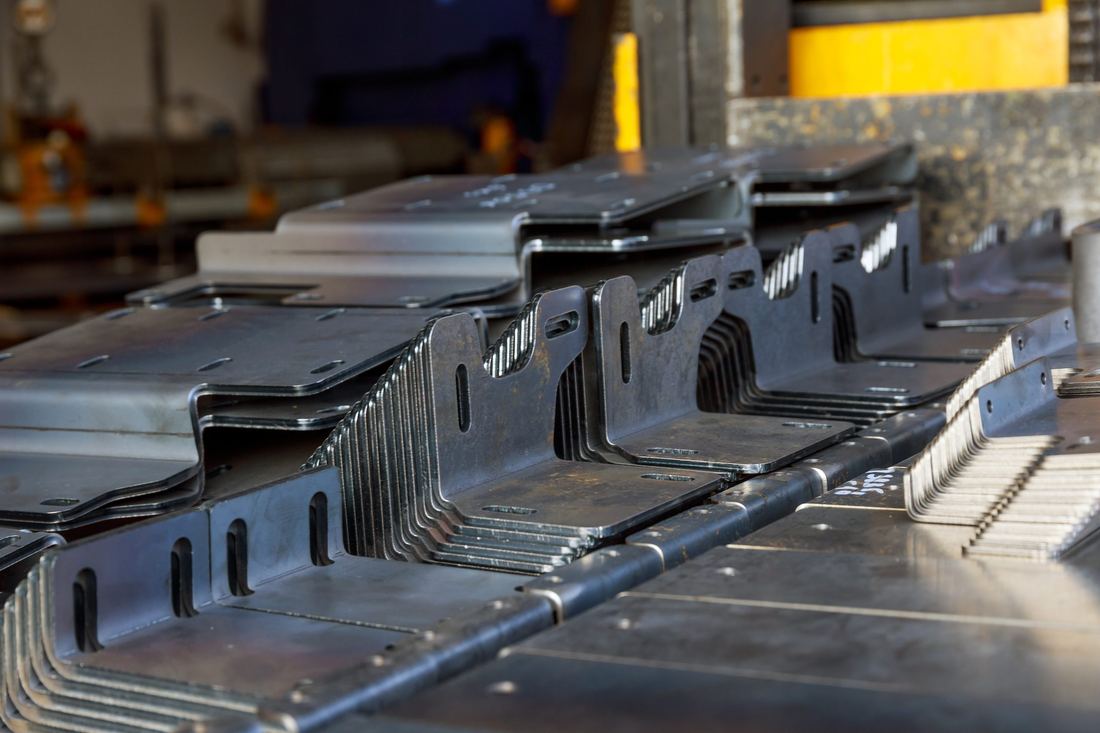
3. Increased Use of 3D Printing in Metal Fabrication
3D printing, also known as additive manufacturing, is revolutionizing the fabrication of sheet metal parts. By allowing for the creation of complex shapes and customized designs that were previously difficult or impossible to produce with traditional methods, 3D printing is gaining ground in industries like aerospace, medical, and automotive manufacturing. In 2024, Long Island fabricators will likely increase their adoption of metal 3D printing technologies to meet the demand for highly specific and innovative parts.
Key Impact: More flexibility in design, faster prototyping, and the ability to create low-volume, highly customized parts on-demand.
4. Smart Manufacturing and IoT Integration
The integration of the Internet of Things (IoT) and smart technologies into sheet metal fabrication will continue to accelerate on Long Island. IoT-enabled devices allow fabricators to monitor and manage machines in real-time, providing valuable data that can be analyzed to optimize production, prevent downtime, and reduce waste. Predictive maintenance, driven by IoT sensors, can also prevent costly equipment failures by alerting manufacturers to potential issues before they become major problems.
Key Impact: Reduced operational costs, minimized downtime, and optimized resource utilization, leading to more efficient manufacturing processes.
5. Customization and Shorter Lead Times
Long Island’s manufacturing market is shifting towards a demand for more customized, high-quality products, especially in sectors like architecture, HVAC, and precision engineering. This trend is leading to a greater emphasis on short-run production, with manufacturers focusing on delivering custom orders with faster lead times. Fabricators who can efficiently balance custom requests with efficient production cycles are positioned for success in the competitive marketplace of 2024.
Key Impact: A competitive edge for companies that can adapt to shorter lead times and higher levels of customization while maintaining cost-efficiency.
6. Expansion of Metal Material Options
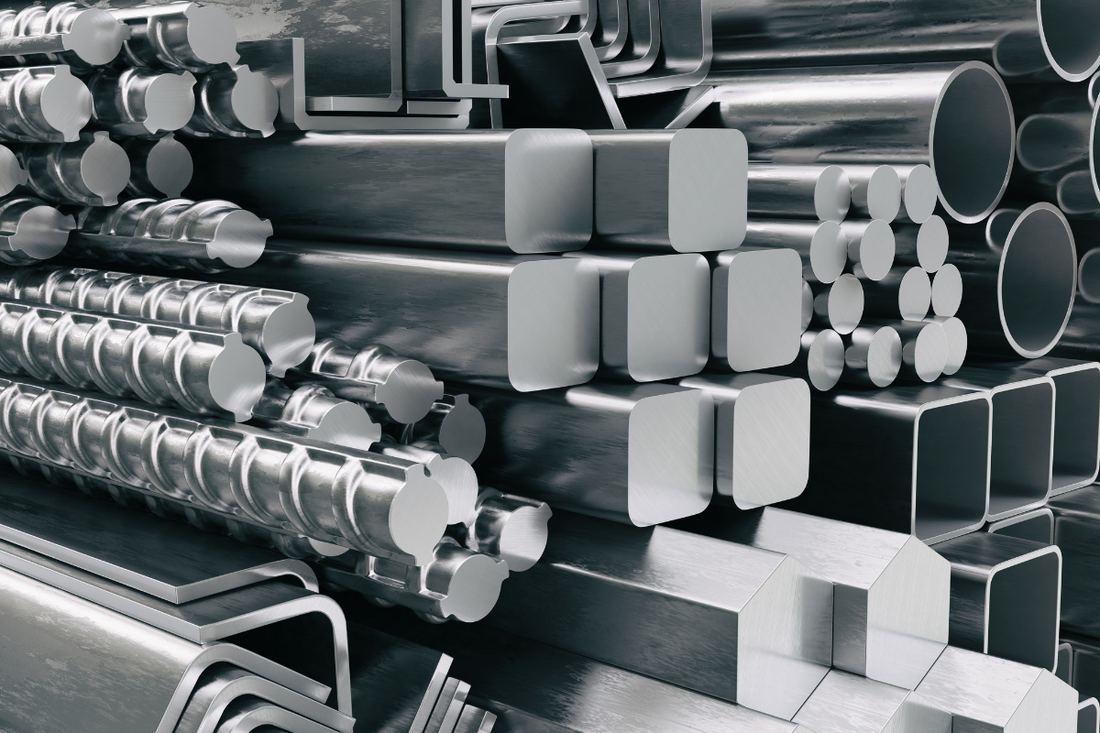
As industries continue to evolve, so do the materials being used in sheet metal fabrication. In 2024, Long Island fabricators will see an expansion in the variety of metals available, including more specialized alloys and composite materials. These materials offer advantages in areas such as strength, durability, and resistance to extreme environments. For instance, titanium, aluminum alloys, and corrosion-resistant steels are becoming increasingly common in sectors like aerospace, defense, and renewable energy.
Key Impact: More material choices will give manufacturers greater flexibility to meet specific industry demands, including lightweight components for aerospace or corrosion-resistant parts for marine applications.
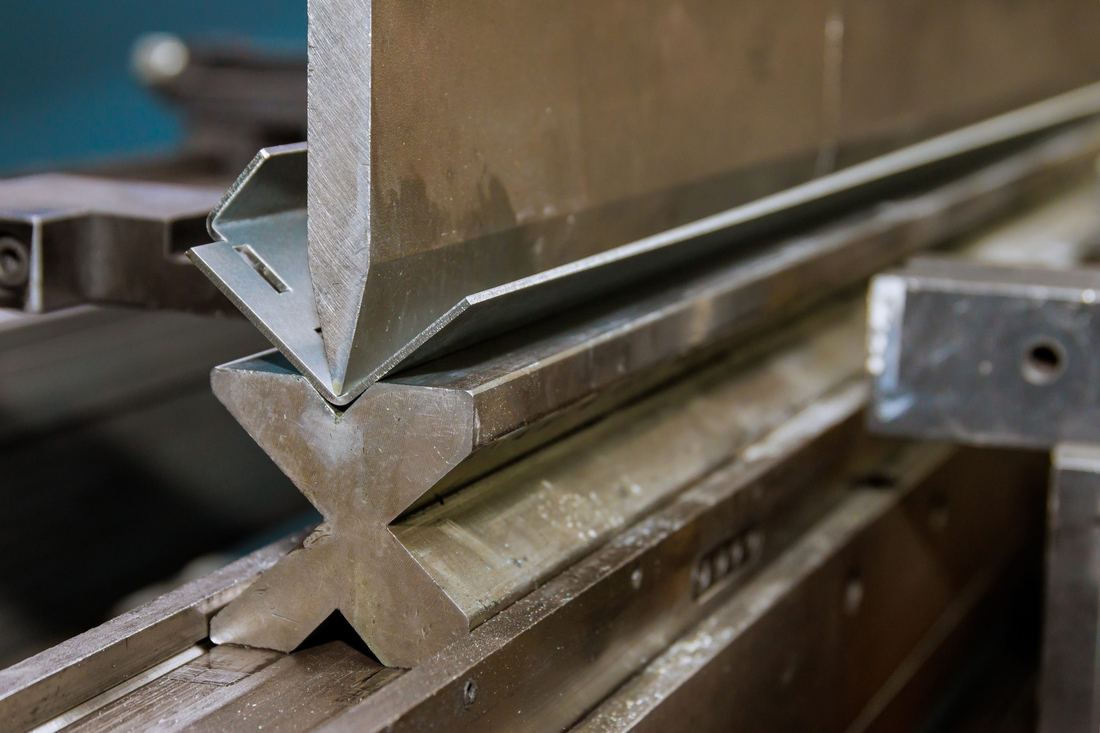
7. Focus on workforce development and skills training
As technology and automation take on larger roles in sheet metal fabrication, there is a growing need for a skilled workforce that can manage and operate advanced machinery. Long Island manufacturers are investing in workforce development programs to train employees in the latest fabrication technologies, including CNC machining, robotics, and 3D printing. Partnerships with local technical schools and workforce training initiatives will become more common to bridge the skills gap and ensure the continued success of the region’s sheet metal industry.
Key Impact: Companies with skilled workers will maintain a competitive advantage, while the industry as a whole benefits from a more capable workforce.
8. Local Supply Chains and Reshoring
The global supply chain disruptions of recent years have highlighted the vulnerabilities of relying too heavily on overseas manufacturing. As a result, some Long Island sheet metal fabricators are shifting their focus toward local and regional supply chains. Reshoring, or bringing manufacturing jobs back to the U.S., is becoming more prevalent as businesses seek to mitigate risks related to international shipping delays, tariffs, and quality control. Long Island’s proximity to major ports and transportation hubs makes it an attractive option for companies looking to establish more localized supply chains.
Key Impact: A more resilient and self-sustaining local manufacturing ecosystem, with reduced reliance on overseas suppliers and faster turnaround times.
9. Digital Fabrication and CAD/CAM Software
The role of computer-aided design (CAD) and computer-aided manufacturing (CAM) software in sheet metal fabrication will continue to grow. These software tools enable manufacturers to create precise digital blueprints and streamline the manufacturing process. In 2024, Long Island fabricators will likely see greater adoption of cloud-based CAD/CAM solutions, which provide real-time collaboration, easier version control, and faster design-to-production workflows. This enables companies to reduce errors, enhance efficiency, and innovate more quickly.
Key Impact: Faster prototyping, reduced design errors, and improved collaboration across teams, leading to more streamlined operations.
10. Enhanced Precision and Tolerances
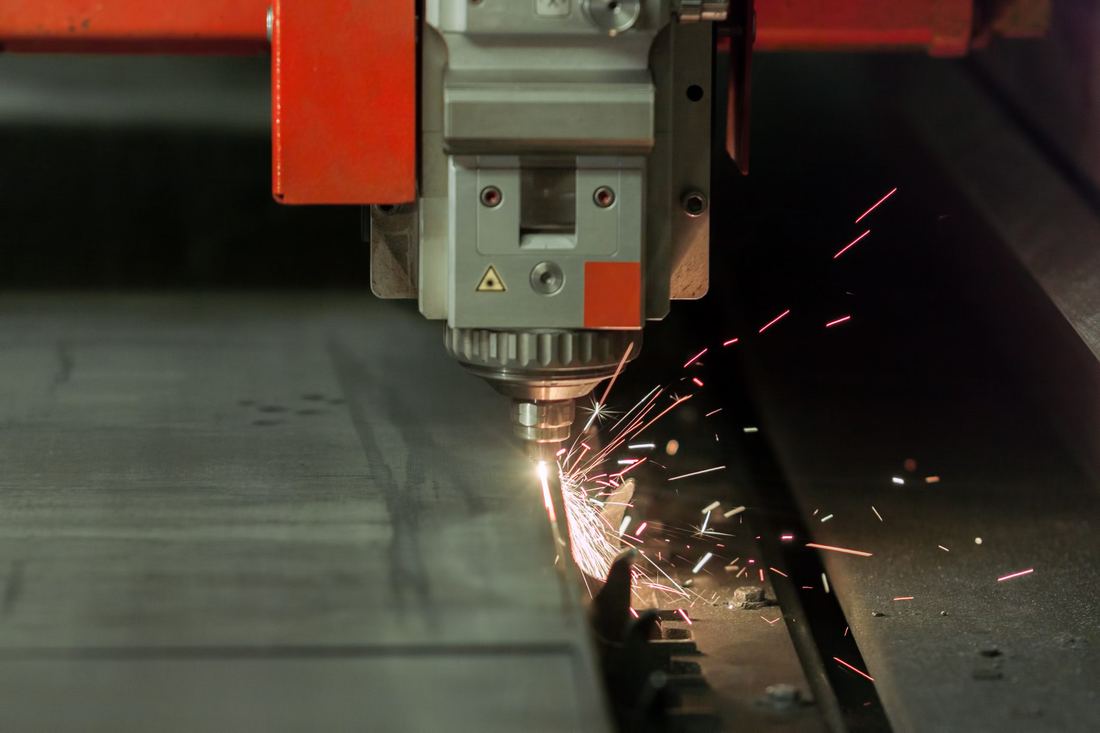
Precision manufacturing continues to be a key differentiator in the sheet metal fabrication sector. As customer demands for high-performance, detailed, and complex parts increase, fabricators are investing in equipment that can deliver tighter tolerances and finer finishes. Technologies like laser cutting, waterjet cutting, and precision stamping are helping Long Island fabricators meet these demands, enabling them to serve industries like medical device manufacturing and high-tech electronics.
Key Impact: Higher-quality, more precise products that meet stringent industry standards.
The sheet metal manufacturing industry on Long Island will see significant changes in 2024. From the widespread use of automation and robotics to the push for sustainability and digitization, these trends will reshape the way manufacturers approach production and customer needs. By adopting these advancements, Long Island manufacturers can remain competitive, increase operational efficiency, and meet the growing demands of their industry. Over time, companies that adapt to these trends will be well-positioned for success in the rapidly evolving manufacturing landscape.
Need steel for your New York project?
Iron Wei Steel Corp supplies steel, stainless steel and aluminum and handles custom processing, structural works, stairs and railings from our warehouse at 110-40 Dunkirk St, Jamaica, NY 11412.
(929) 447-5588Browse Products